

Chamber Music
Mehmet Ali Sanlikol
To be premiered on the Borromeo Quartet: Where We Converge Concert
Ivan Enrique Rodriguez
To be premiered on the Poiesis: In the Listening Concert
Alex Weston
To be premiered on the Philip Glass at 90: A Celebration Concert
Michelle Barzel Ross: as if you were turning pages
Unconsciously, hints of this Bach Sonata, Beethoven Opus 109 Piano Sonata (Movement III), and Bach Prelude 854 are intertwined into the subconscious of this piece’s musical language.
Clarice Assad: The Raven
This work is about the idea of thresholds. It begins in stillness, passes through a kind of collapse of reality in a musical way, and at some point the instruments fall silent and only breath remains. It ends in suspension — inside the instant before whatever happens next.
David Hanlon: Ki ger anokhi imakh
The most meaningful Jewish tradition for me is the obligation to see oneself in another’s circumstance. This tradition is especially prominent on the subject of the Ger—the “stranger” or “immigrant.” Jews are reminded by their holy texts and teachers to show kindness to the stranger.
Jennifer Higdon: Art Measures for Violin and Piano
A three movement work for violin and piano as the embodiment of all possible emotions during the creation of art.
JaRon Brown: and this too, shall pass
Percussive Quartet Composition for Third Coast Percussion
Stacy Garrop: Under the shimmering aspens
In Under the shimmering aspens, imagine you are sitting under an aspen tree on a sunny day and looking up into the golden leaves above you. Sometimes the leaves are motionless when there is no breeze, sometimes they quietly shimmer when there is a gentle gust, and sometimes they are quaking violently in a strong wind.
Gabriella Smith: Aegolius
In this piece, Gabriella repeats and manipulates the owl’s calls, phasing pitch and speed over time to create a mind-bending realization of, well, a quartet of Owls. Also hidden in the piece are subtle references to Haydn’s String Quartet Op. 33, No. 3, nicknamed “the Bird”,
Andrea Casarrubios: unsaying
This brief quartet explores the paradox of silence: how it both soothes and suffocates, veils and reveals. The music captures the whiplash of words withheld at crucial moments, when fear overwhelms the impulse to speak.
Derrick Skye: Flare and Answer
Flare and Answer is a brief but driving work inspired by the trance traditions of Moroccan Gnawa music and the powerful voices of Khadija El W arzazia and B’ net Houariyat. Drawing on the blues scale filtered through the modal colors of maqam Rast, the piece weaves quick-paced motifs into a dialogue of call and response, echoing the communal exchange at the heart of its inspiration.
Chris Mercer: Impromtu: Fluorescing
The title Impromptu seemed almost inevitable, since this is a short, highly pianistic piece that includes controlled ex tempore aspects from both the performer and the computer.
Conrad Tao: A Series of Interdependencies (2016) for violin, viola, and cello
"Much of A Series of Interdependencies was written in response to unease and anger, but all of it is infused with the hope that practicing vulnerability, intimacy, and mutuality with one another alongside radical heterogeneity might be a way into some better, a more utopian vision of the world." - Conrad Tao
Errollyn Wallen: Making Hay for String Trio
Making Hay inspires positivity—at least while the sun shines. The trio begins with the violin playing a gentle melody reminiscent of a traditional British folk tune. Presently, the music is infused with the spirit of Sebastian Bach in a contrapuntal exchange between all three instruments as the melody is sequenced and extended, gradually incorporating bolder harmonies.
Stacy Garrop: Jarba, Mare Jarba for String Trio and Saxophone Quartet
Jarba, Mare Jarba is a popular traditional Hungarian-Romani folk song. Its text speaks of the longing to return to one’s homeland. - Stacy Garrop



Michelle Barzel Ross: as if you were turning pages
Unconsciously, hints of this Bach Sonata, Beethoven Opus 109 Piano Sonata (Movement III), and Bach Prelude 854 are intertwined into the subconscious of this piece’s musical language.
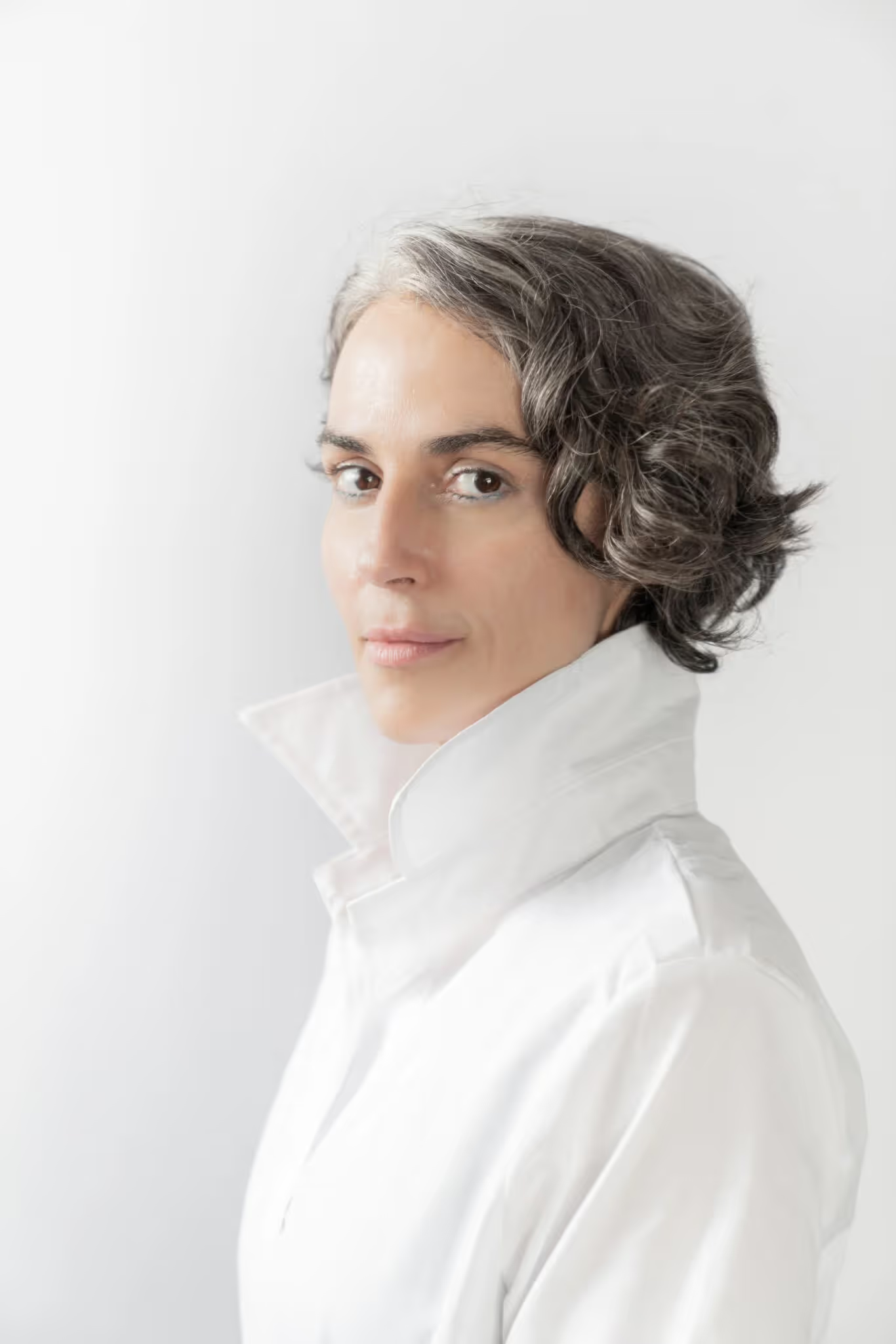
Clarice Assad: The Raven
This work is about the idea of thresholds. It begins in stillness, passes through a kind of collapse of reality in a musical way, and at some point the instruments fall silent and only breath remains. It ends in suspension — inside the instant before whatever happens next.
.jpg)
David Hanlon: Ki ger anokhi imakh
The most meaningful Jewish tradition for me is the obligation to see oneself in another’s circumstance. This tradition is especially prominent on the subject of the Ger—the “stranger” or “immigrant.” Jews are reminded by their holy texts and teachers to show kindness to the stranger.

Jennifer Higdon: Art Measures for Violin and Piano
A three movement work for violin and piano as the embodiment of all possible emotions during the creation of art.

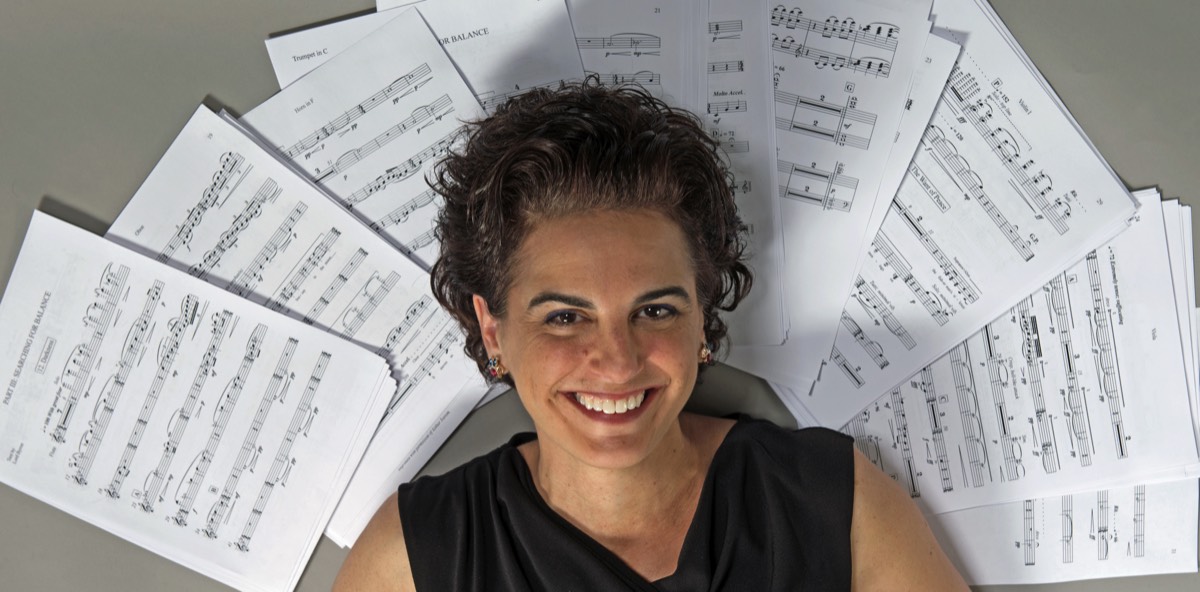
Stacy Garrop: Under the shimmering aspens
In Under the shimmering aspens, imagine you are sitting under an aspen tree on a sunny day and looking up into the golden leaves above you. Sometimes the leaves are motionless when there is no breeze, sometimes they quietly shimmer when there is a gentle gust, and sometimes they are quaking violently in a strong wind.
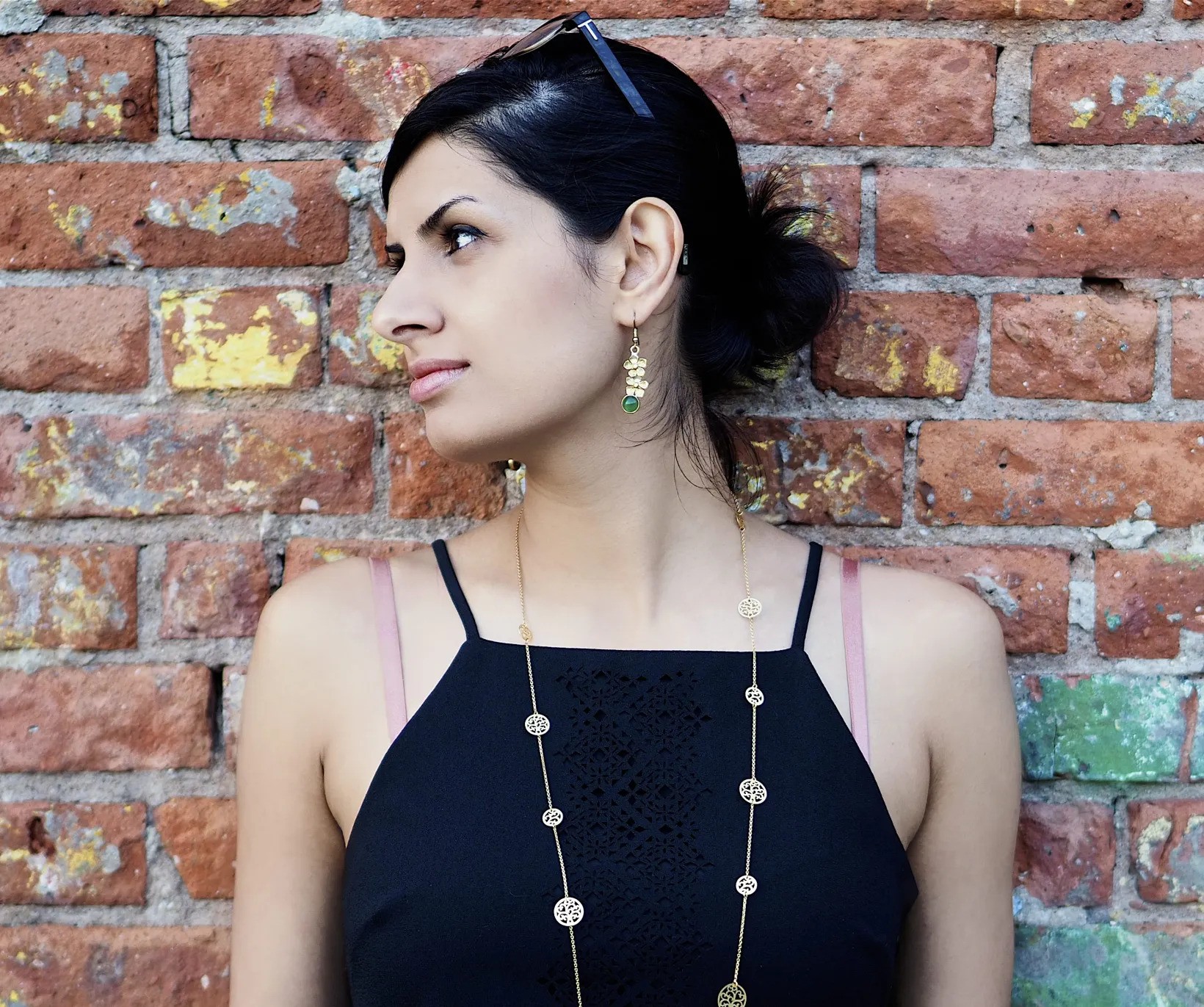

Gabriella Smith: Aegolius
In this piece, Gabriella repeats and manipulates the owl’s calls, phasing pitch and speed over time to create a mind-bending realization of, well, a quartet of Owls. Also hidden in the piece are subtle references to Haydn’s String Quartet Op. 33, No. 3, nicknamed “the Bird”,

Andrea Casarrubios: unsaying
This brief quartet explores the paradox of silence: how it both soothes and suffocates, veils and reveals. The music captures the whiplash of words withheld at crucial moments, when fear overwhelms the impulse to speak.

Derrick Skye: Flare and Answer
Flare and Answer is a brief but driving work inspired by the trance traditions of Moroccan Gnawa music and the powerful voices of Khadija El W arzazia and B’ net Houariyat. Drawing on the blues scale filtered through the modal colors of maqam Rast, the piece weaves quick-paced motifs into a dialogue of call and response, echoing the communal exchange at the heart of its inspiration.

Chris Mercer: Impromtu: Fluorescing
The title Impromptu seemed almost inevitable, since this is a short, highly pianistic piece that includes controlled ex tempore aspects from both the performer and the computer.
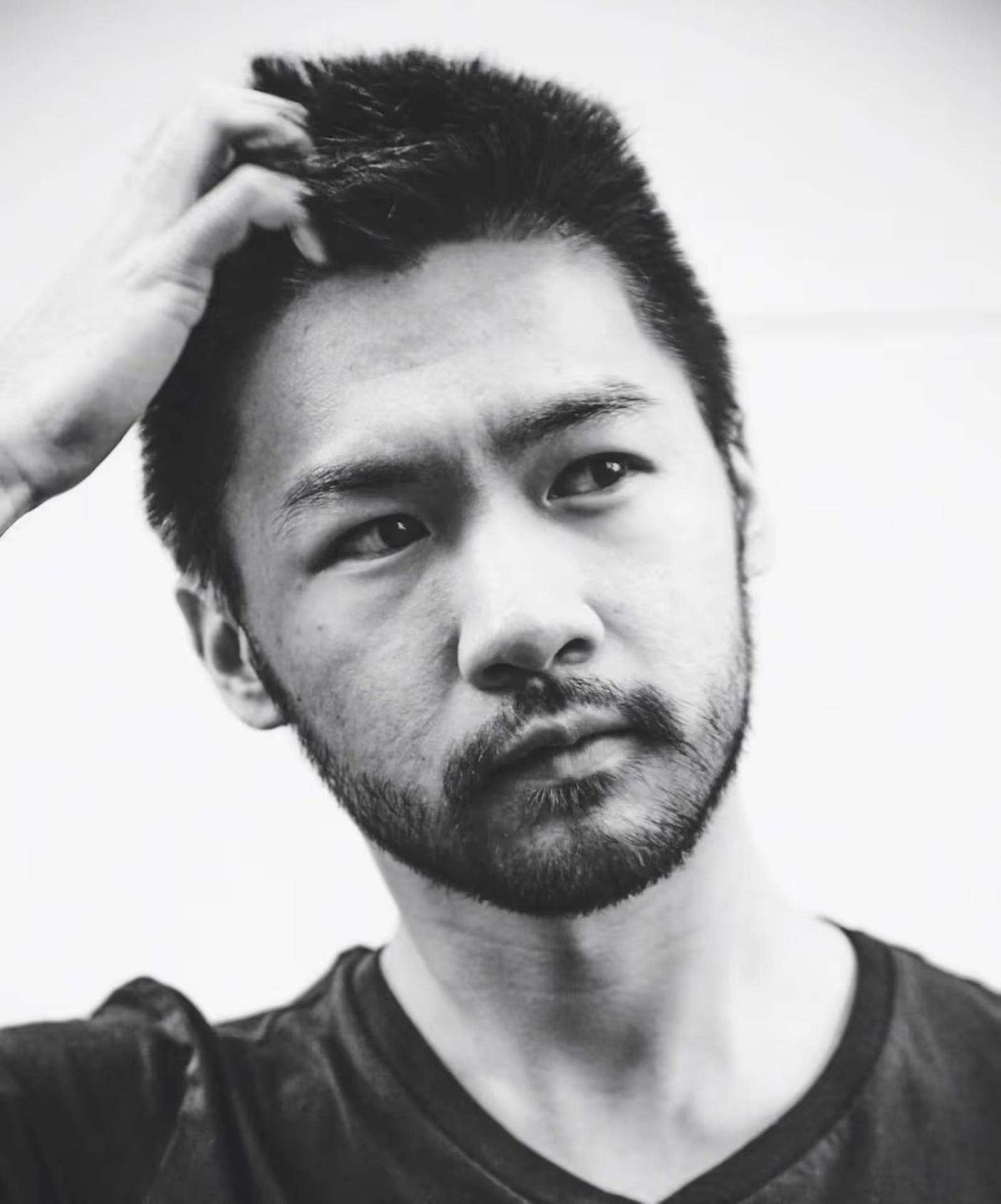
Conrad Tao: A Series of Interdependencies (2016) for violin, viola, and cello
"Much of A Series of Interdependencies was written in response to unease and anger, but all of it is infused with the hope that practicing vulnerability, intimacy, and mutuality with one another alongside radical heterogeneity might be a way into some better, a more utopian vision of the world." - Conrad Tao

Errollyn Wallen: Making Hay for String Trio
Making Hay inspires positivity—at least while the sun shines. The trio begins with the violin playing a gentle melody reminiscent of a traditional British folk tune. Presently, the music is infused with the spirit of Sebastian Bach in a contrapuntal exchange between all three instruments as the melody is sequenced and extended, gradually incorporating bolder harmonies.
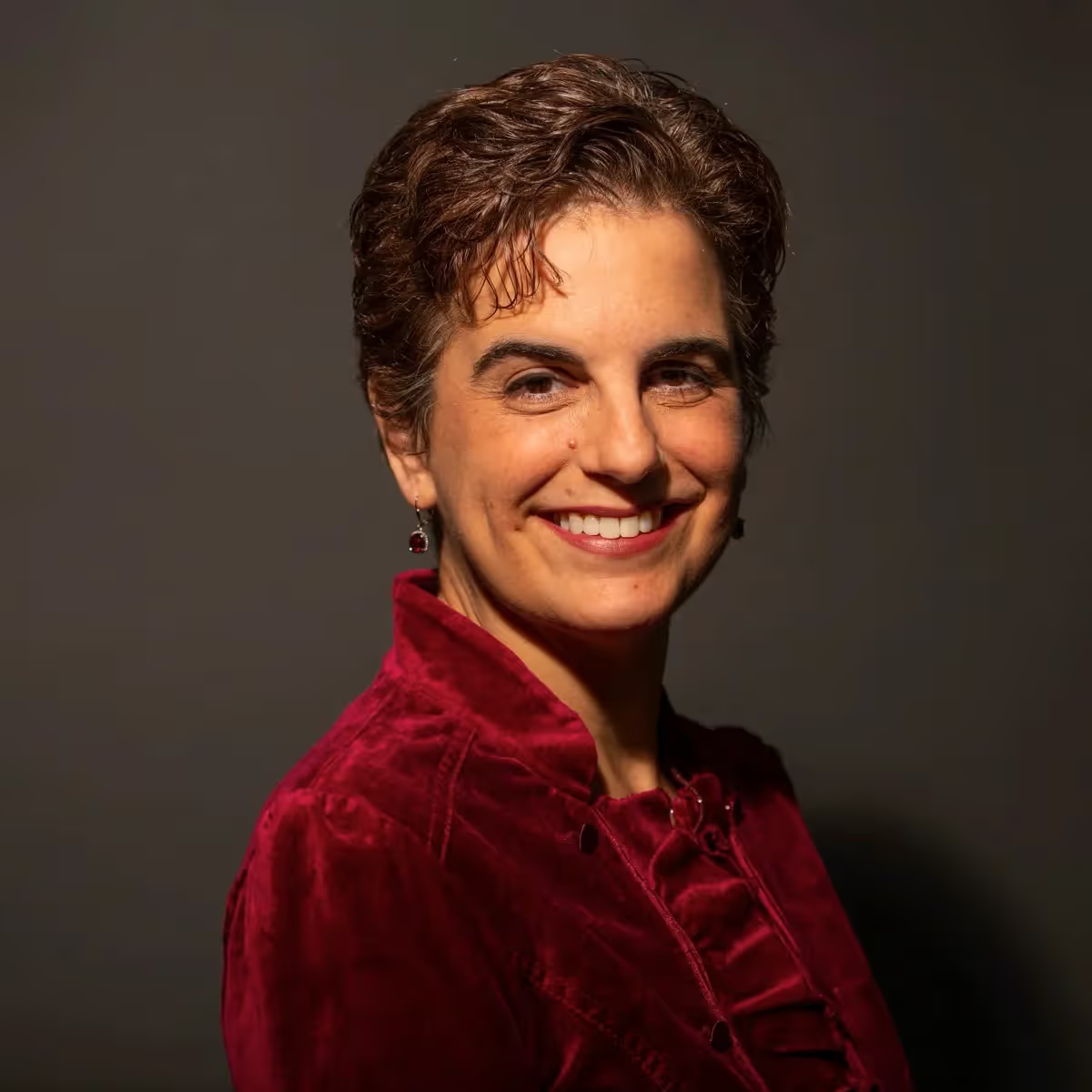
Stacy Garrop: Jarba, Mare Jarba for String Trio and Saxophone Quartet
Jarba, Mare Jarba is a popular traditional Hungarian-Romani folk song. Its text speaks of the longing to return to one’s homeland. - Stacy Garrop